Resolving Conflicts to Maintain Player Loyalty in Mobile Sports and Table Game Applications
Written by Noah Russell · Oct 29, 2026
Resolving Conflicts to Maintain Player Loyalty in Mobile Sports and Table Game Applications
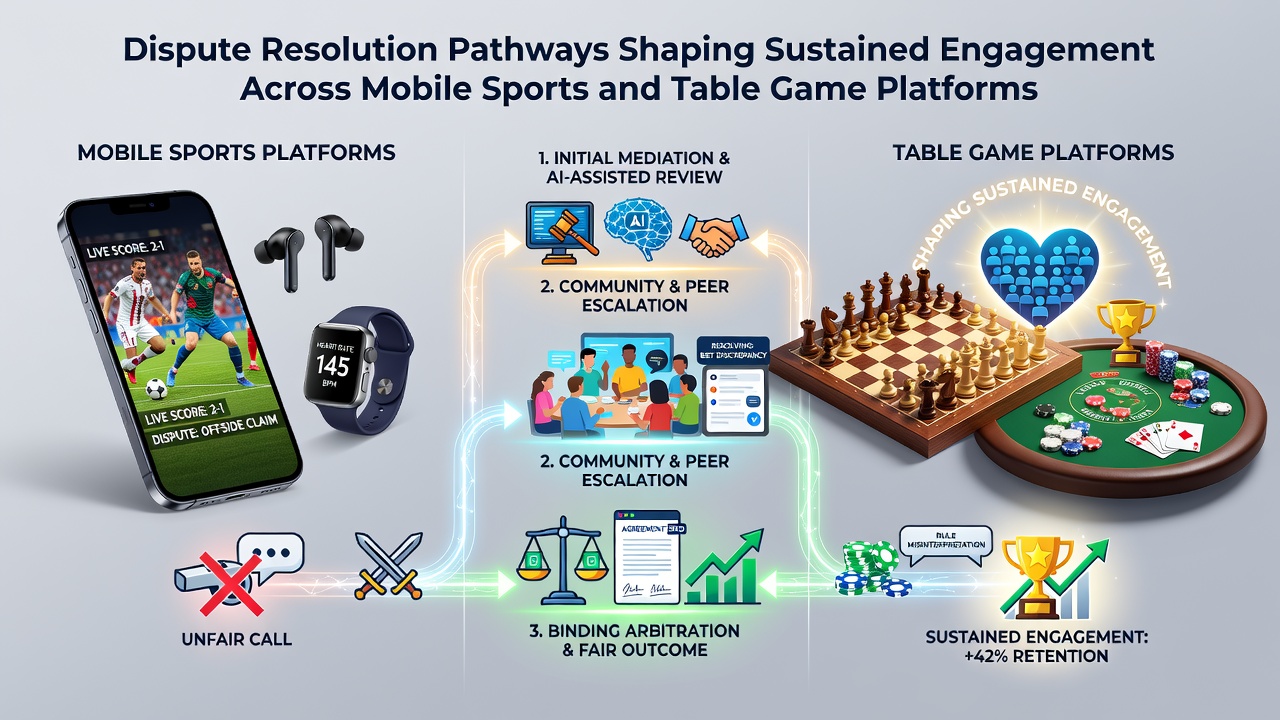
Dispute resolution pathways in mobile sports and table game platforms operate through structured systems that handle player complaints about account issues, bet outcomes, and payout delays, and these mechanisms directly affect how long users stay active on the platforms. Research from industry reports shows that platforms with clear escalation procedures see higher retention rates because users feel their concerns receive prompt attention rather than vanishing into automated responses.
Common Resolution Pathways in Mobile Environments
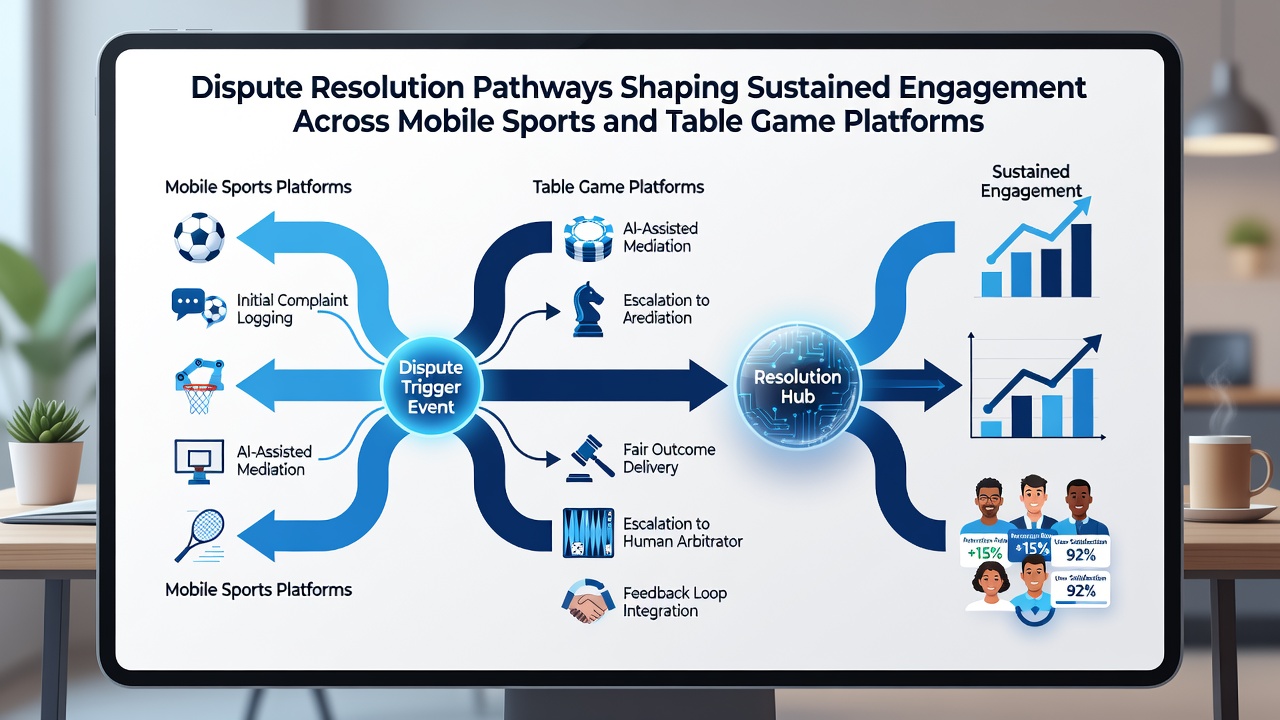
Operators typically offer tiered support starting with in-app chat or ticket systems, then moving to dedicated mediation teams, and finally reaching external arbitration when internal efforts fail, while data from regulatory filings indicate that most disputes settle at the first or second level without advancing further. Observers note that sports betting apps often face challenges around live event scoring disputes, whereas table game platforms encounter more issues tied to game mechanics and random number generator certifications, yet both categories benefit when resolution times stay under 48 hours according to performance metrics shared in quarterly industry summaries.
Integration of Technology in Handling Disputes
Automated tools now scan transaction logs and gameplay records to flag potential problems before users even file complaints, and this proactive approach has expanded since early 2025 when several major platforms adopted AI-assisted review systems. Those systems cross-reference user history with platform rules in real time, which reduces the volume of formal disputes that reach human moderators and allows teams to focus on complex cases involving multiple jurisdictions. Evidence from platform analytics reveals that integration of blockchain-based audit trails in certain table game apps has cut verification times for disputed hands or spins by nearly 60 percent, creating smoother experiences that encourage repeat sessions.
October 2026 brought updated guidelines from the Nevada Gaming Control Board that require mobile operators to disclose resolution timelines upfront, and these rules have prompted platforms to redesign their help sections with clearer flowcharts showing each step from initial contact through final arbitration. Similar updates appeared in Canadian provincial frameworks around the same period, where regulators emphasized transparent communication about external review options when internal processes stall.
Effects on Sustained User Engagement
Studies compiled by the American Gaming Association indicate that platforms publishing average resolution times and success rates experience measurable lifts in monthly active users, particularly among those who have previously encountered issues, because visible accountability builds confidence. When disputes drag on or lack clear updates, engagement metrics drop sharply as players migrate to competitors with stronger support reputations, and this pattern holds across both sports betting and table game categories according to aggregated user behavior data.
Payment-related disputes represent one of the largest categories in mobile environments, often involving delayed withdrawals or verification holds, while resolution pathways that include direct links to banking partners or third-party escrow services tend to close these cases faster. Researchers tracking retention have found that users who receive compensation or detailed explanations during the process show elevated play volumes in the following weeks compared with those left without resolution updates.
Regulatory Influences Across Regions
Frameworks in place across multiple jurisdictions require operators to maintain records of all disputes and outcomes for periodic audits, and these obligations have driven investment in centralized case management software that tracks patterns across sports and table game offerings simultaneously. The Australian Communications and Media Authority has published compliance checklists that emphasize accessible appeal routes for international players, which has influenced how global platforms structure their mobile support flows to meet varying regional standards without fragmenting the user experience.
Academic papers from gaming research centers highlight that effective dispute systems correlate with lower churn rates when they incorporate feedback loops, allowing platforms to adjust rules or interface designs based on recurring complaint themes. Such adjustments appear most frequently in live sports betting modules where timing disputes arise during high-volume events, and similar refinements occur in table game apps after clusters of RNG-related queries surface in support logs.
Future Directions for Platform Operators
Industry conferences scheduled for late 2026 have begun spotlighting hybrid models that combine human oversight with machine learning to predict dispute likelihood from user behavior signals, and early adopters report fewer escalations reaching external bodies. These developments build on existing pathways rather than replacing them, preserving options for users who prefer traditional mediation or arbitration routes when automated suggestions fall short.
Conclusion
Dispute resolution pathways continue to evolve as essential components of mobile sports and table game platforms, shaping how players interact with services over extended periods through documented processes and measurable response standards. Regulatory updates in October 2026 reinforced the need for transparency, while technological tools have streamlined handling across different game types and regions. Data from established industry sources shows these systems sustain engagement when they deliver consistent, accessible outcomes that address user concerns without unnecessary delays.