Encrypted Data Exchanges and Their Impact on Reward Hierarchies in Portable Betting Applications
Written by Xander Butler · Oct 1, 2026
Encrypted Data Exchanges and Their Impact on Reward Hierarchies in Portable Betting Applications
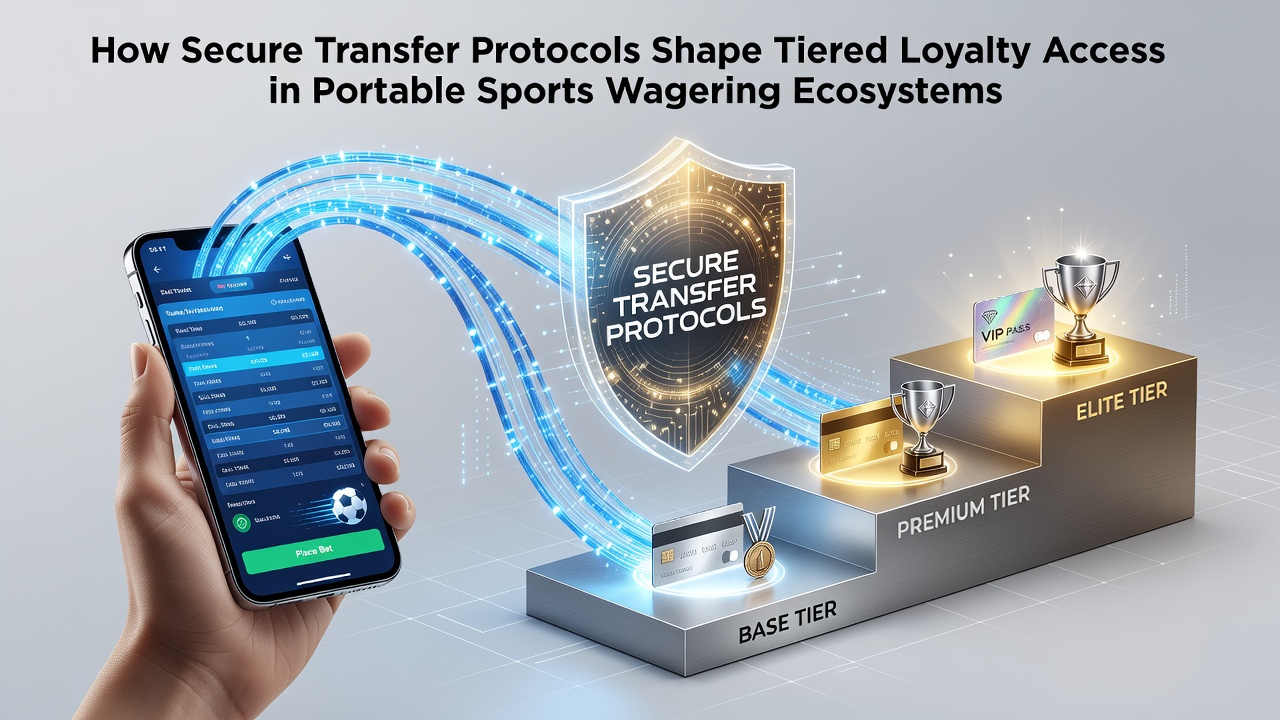
Secure transfer protocols form the backbone of how mobile sports wagering platforms manage user verification and grant access to escalating loyalty tiers, with data encryption standards such as TLS 1.3 and tokenization systems dictating the speed and security level at which bettors accumulate points and unlock privileges. Platforms require these protocols to handle high-volume financial movements while maintaining compliance with regional gaming regulations, and this technical foundation directly influences which users reach higher reward strata first.
Protocol Mechanics Behind Tier Qualification
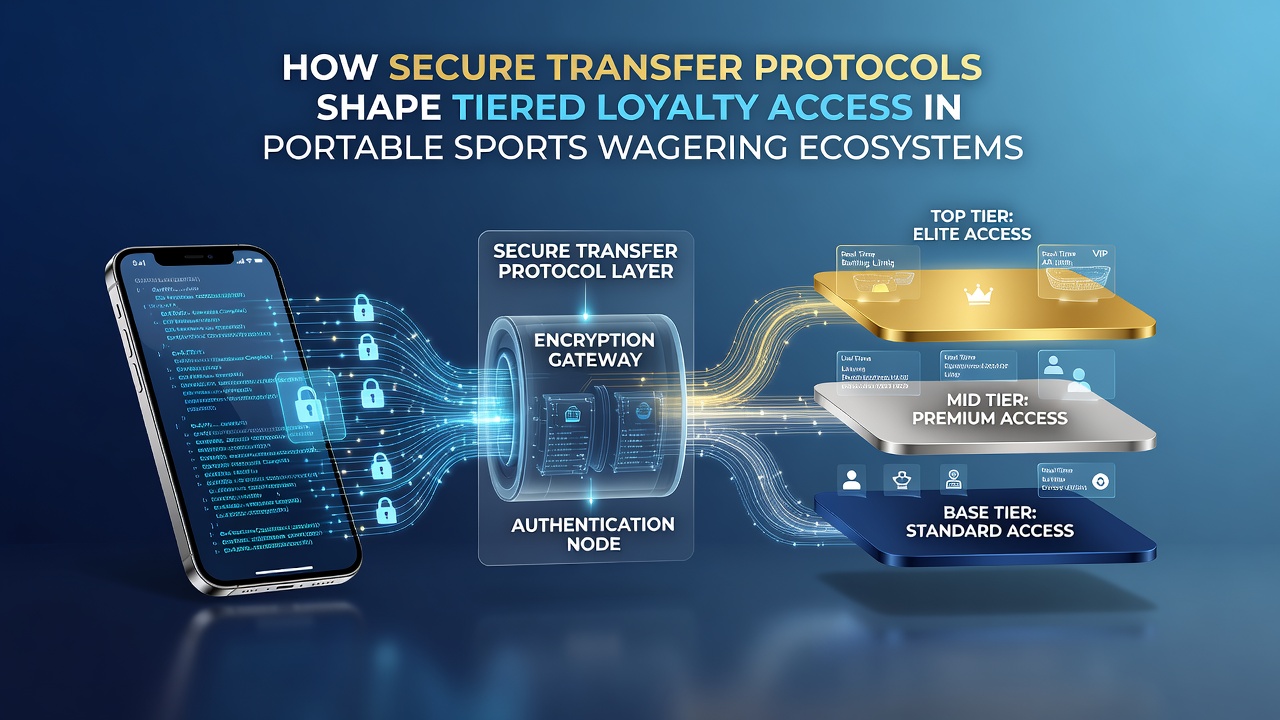
Transaction security begins with end-to-end encryption during deposit and withdrawal processes, allowing platforms to process larger sums without triggering additional manual reviews that could delay loyalty point accrual. Users who complete transfers through channels meeting PCI DSS Level 1 standards often see their activity logged faster, which accelerates progression through bronze, silver, and gold tiers in many systems. Observers note that multi-factor authentication combined with biometric verification on portable devices further streamlines this pathway, because platforms can confirm identity with higher certainty and award corresponding status upgrades without extended waiting periods.
Research from the New Jersey Division of Gaming Enforcement indicates that operators incorporating advanced key exchange mechanisms report fewer interruptions in reward calculations during peak betting windows, which in turn supports consistent tier advancement for active participants. Those who maintain consistent transaction histories under these secure frameworks accumulate the required volume thresholds more reliably than users relying on less protected methods.
Regional Variations in Security-Driven Access
Different jurisdictions impose distinct requirements on transfer protocols, creating varied landscapes for loyalty tier structures across portable ecosystems. In Ontario, the Alcohol and Gaming Commission of Ontario mandates specific encryption thresholds for all mobile wagering operators, which has led to standardized verification pipelines that tie directly to tier eligibility criteria. Bettors operating within these parameters encounter fewer barriers when attempting to climb into premium categories that offer enhanced odds or exclusive event access.
Meanwhile, platforms serving Australian markets align with guidelines from the Australian Communications and Media Authority, where secure data exchange protocols must support real-time monitoring of high-value transfers. This alignment allows operators to flag and reward consistent, compliant activity with tiered bonuses that scale according to verified transaction security levels. Data shows that these synchronized systems reduce disputes over point allocation and provide clearer pathways for users to reach elite status.
Impact on User Behavior and Platform Operations
Operators have observed that when secure transfer protocols integrate seamlessly with loyalty tracking software, participants tend to consolidate their wagering activity within single ecosystems rather than fragmenting across multiple applications. This consolidation occurs because verified, encrypted sessions enable quicker recognition of spending patterns, which platforms then translate into immediate tier benefits such as personalized cashback rates or priority customer support queues. As of October 2026, several major providers have rolled out unified dashboards that display both security compliance metrics and current tier standing side by side.
Studies conducted by the University of Nevada, Las Vegas Center for Gaming Research reveal correlations between protocol sophistication and retention rates among higher-tier users, noting that platforms with robust encryption experience steadier progression through loyalty ladders. The same research highlights how tokenization reduces friction during recurring deposits, allowing users to maintain momentum toward annual status renewals without repeated authentication hurdles.
Future Protocol Evolutions and Tier Adaptations
Emerging standards around quantum-resistant encryption are beginning to influence how operators design their next-generation loyalty frameworks, with early adopters testing systems that maintain tier integrity even under advanced computational threats. These developments matter because portable devices continue to serve as primary interfaces for sports wagering, and any lapse in transfer security could reset or restrict user access to accumulated rewards. Industry reports from the European Gaming and Betting Association document ongoing pilots where enhanced protocol layers grant provisional tier elevations pending full verification cycles.
Platform administrators continue to refine the relationship between security certification levels and reward multipliers, creating incentive structures that reward users who consistently utilize the most protected transfer methods available on their devices. This approach ensures that loyalty hierarchies remain both competitive and technically defensible across expanding mobile user bases.
Conclusion
Secure transfer protocols continue to determine the pace and reliability of tier advancement in portable sports wagering environments through their influence on verification speed, compliance assurance, and transaction continuity. As regulatory bodies and technology standards evolve, the connection between encrypted exchanges and structured loyalty access will likely deepen, shaping how participants navigate reward systems on handheld platforms worldwide.